

COMFORT IN ALL CONDITIONS
New:Fall Layers

Iconic fits
Sale!
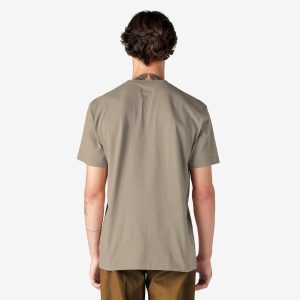
Men-Featured-New Arrivals
Price range: $8.50 through $10.00
Sale!
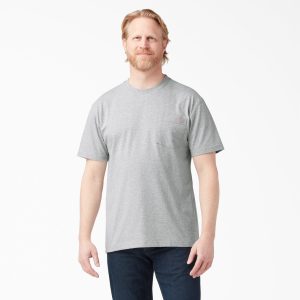
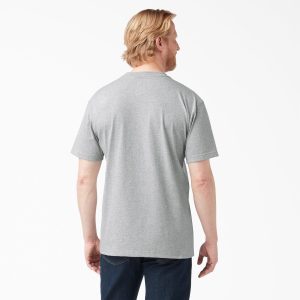
Men-Featured-New Arrivals
Price range: $8.50 through $10.00
Sale!
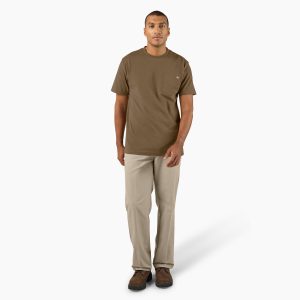
Men-Featured-New Arrivals
Price range: $8.50 through $10.00
Sale!
Men-Featured-New Arrivals
Price range: $8.50 through $10.00
Sale!
Men-Featured-New Arrivals
Price range: $8.50 through $10.00
Sale!
Men-Featured-New Arrivals
Price range: $8.50 through $10.00
Sale!
Men-Featured-New Arrivals
Price range: $8.50 through $10.00
Sale!
Men-Featured-New Arrivals
Price range: $8.50 through $10.00
Sale!
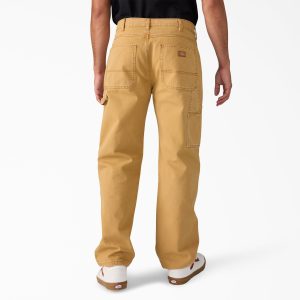
worn-in
Original price was: $44.99.$22.50Current price is: $22.50.
Sale!
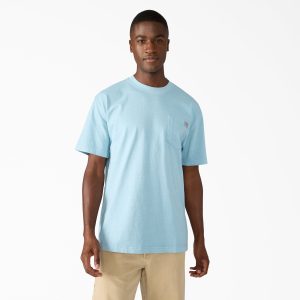
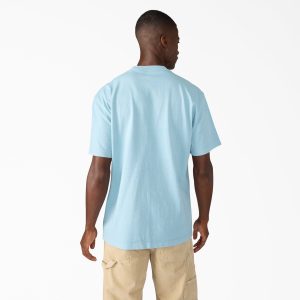
Original price was: $29.99.$15.00Current price is: $15.00.
Sale!
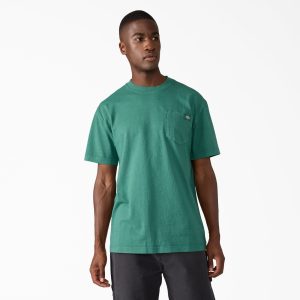
Original price was: $29.99.$15.00Current price is: $15.00.
Sale!
Original price was: $29.99.$15.00Current price is: $15.00.
Sale!
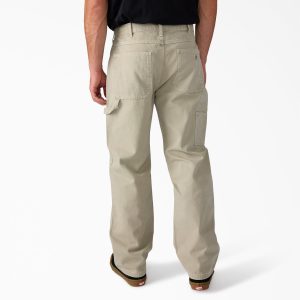
worn-in
Original price was: $44.99.$22.50Current price is: $22.50.
Sale!
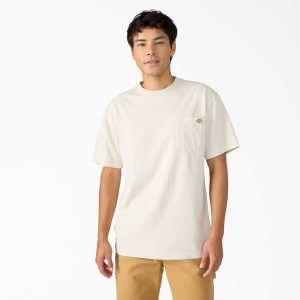
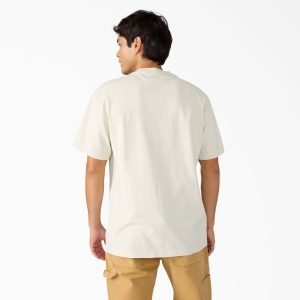
Original price was: $29.99.$15.00Current price is: $15.00.
Sale!
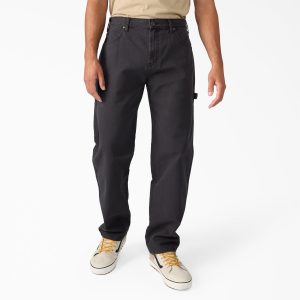
worn-in
Original price was: $44.99.$22.50Current price is: $22.50.
Sale!
shop-the-look
Original price was: $54.99.$27.50Current price is: $27.50.
Sale!
shop-the-look
Original price was: $54.99.$27.50Current price is: $27.50.
Sale!
shop-the-look
Original price was: $29.99.$15.00Current price is: $15.00.
Sale!
shop-the-look
Original price was: $54.99.$27.50Current price is: $27.50.
Sale!
shop-the-look
Original price was: $29.99.$15.00Current price is: $15.00.
Sale!
shop-the-look
Original price was: $34.99.$17.50Current price is: $17.50.
Sale!
shop-the-look
Original price was: $34.99.$17.50Current price is: $17.50.
Sale!
shop-the-look
Original price was: $49.99.$25.00Current price is: $25.00.
Sale!
Men-Outerwear-Shop All
Original price was: $64.99.$32.50Current price is: $32.50.
Sale!
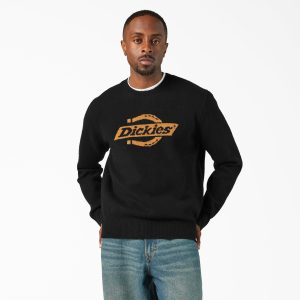
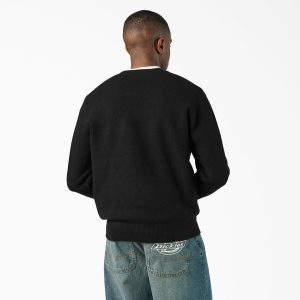
Men-Outerwear-Shop All
Original price was: $69.99.$35.00Current price is: $35.00.
Sale!
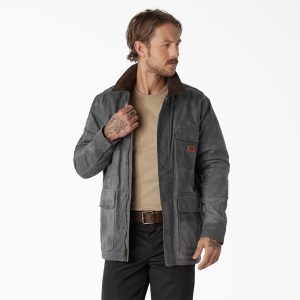
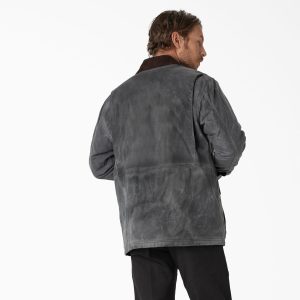
Men-Outerwear-Shop All
Original price was: $199.99.$100.00Current price is: $100.00.
Sale!
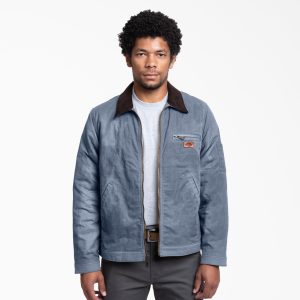
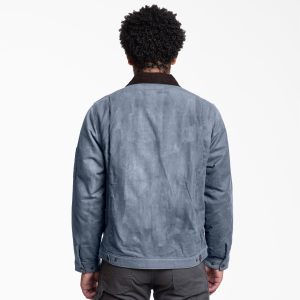
Men-Outerwear-Shop All
Original price was: $189.99.$95.00Current price is: $95.00.
Sale!
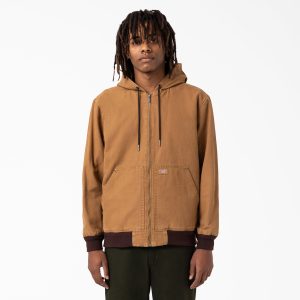
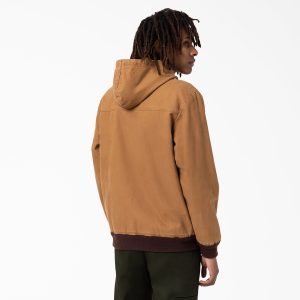
Men-Outerwear-Shop All
Original price was: $139.99.$70.00Current price is: $70.00.
Sale!
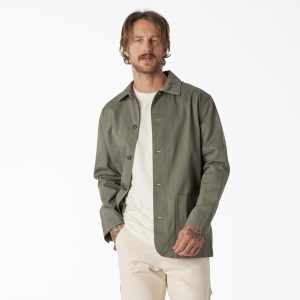
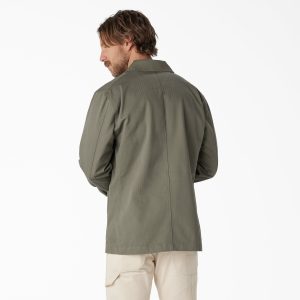
Men-Outerwear-Shop All
Original price was: $250.00.$125.00Current price is: $125.00.
Sale!
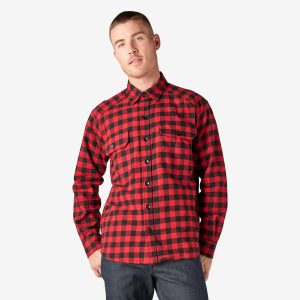
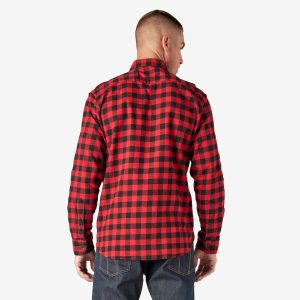
Men-Outerwear-Shop All
Original price was: $220.00.$110.00Current price is: $110.00.
Sale!
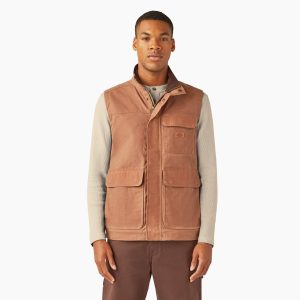
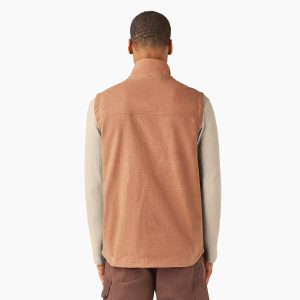
Men-Outerwear-Shop All
Original price was: $132.99.$66.50Current price is: $66.50.
FEATURED
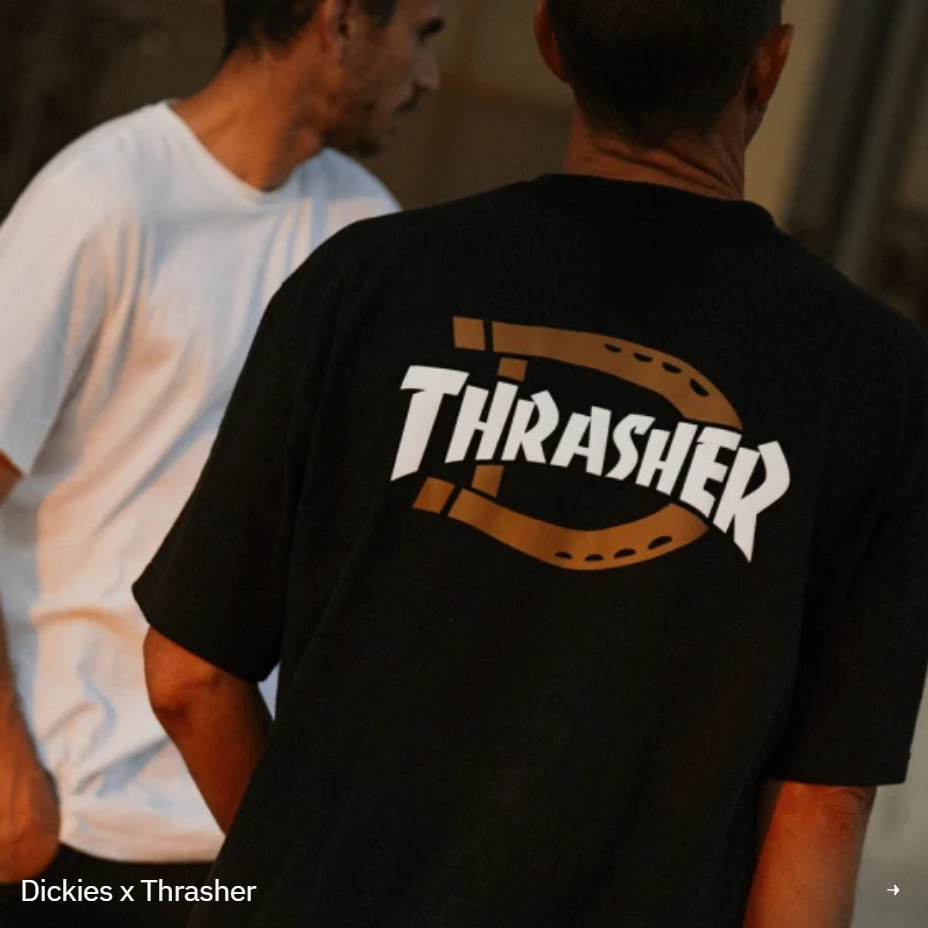
Classic Recommendation.
The Ever-Evolving Narrative of Style: A Look Beyond the Labels
Fashion, in its purest form, is a global conversation—a non-verbal dialogue between the individual and the surrounding world. It is an art, a craft, and a powerful mirror reflecting social shifts and personal expression. When we look at the broad category of attire, traditionally segmented by gender, we find not strict boundaries, but a rich, intersecting tapestry of aesthetics, function, and form. The distinctions, once rigid and universally accepted, are becoming increasingly fluid, yielding a more exciting and inclusive landscape for everyone.
The historical divergence between styles created for individuals of different genders is rooted deeply in societal expectations. For centuries, the garments designed for those typically identified as male prioritized practicality, durability, and structure. They were often tailored to accommodate movement and present an image of authority and professional competence. Silhouettes were frequently angular and less restrictive, using heavier, more resilient fabrics to withstand the rigors of various activities. Pockets, for instance, became a functional staple, an architectural element of the design that spoke to utility and self-sufficiency. This focus on functional design led to a standardized look, emphasizing uniformity and a clear, if somewhat restrained, message of status and purpose.
Conversely, the styles traditionally associated with those typically identified as female often emphasized shape, decoration, and a more pronounced aesthetic focus. Fabrics tended to be lighter, with draping and ornamentation playing a significant role. The design often incorporated features that highlighted or altered the natural silhouette, sometimes at the expense of ease of movement. While beautiful and often incredibly elaborate, these designs frequently carried implicit social narratives about domesticity, grace, and an ornamental role within society. The distinction was not merely about the cut of the cloth; it was about the intent behind the design and the life it was meant to clothe.
However, the late 20th and early 21st centuries have witnessed a radical deconstruction of these old sartorial codes. The most compelling movements in contemporary style revolve around repurposing and recombination. What was once exclusively a staple of one category is now a versatile piece for all. Think of the tailored blazer: once a hallmark of serious professional male attire, it is now an indispensable power item in countless wardrobes, seamlessly transitioning from office wear to casual chic, regardless of who wears it. Similarly, the comfortable, oversized knitwear or the elegantly draped tunic, traditionally prevalent in designs for women, are now celebrated for their ease and texture across the board.
This convergence is not about erasing differences, but about expanding choice. Designers are increasingly focusing on the wearer’s experience rather than adhering to outdated classifications. The conversation has shifted from “What is this item for?” to “How does this item make the wearer feel?” This allows for a celebration of construction details—the precise fit of a sleeve, the fall of a pleat, the texture of a textile—without the baggage of historical constraints. The emphasis is on quality, craftsmanship, and the individual’s unique vision of self-presentation.
The result is a thrillingly personal approach to dressing. Individuals are empowered to select pieces that resonate with their aesthetic and functional needs, mixing elements from various inspirations to craft an authentic signature look. A strong, wide-leg trouser can be paired with a soft, flowing top, or a beautifully embroidered jacket can top a pair of simple, sturdy denim. The act of dressing has become a nuanced exercise in personal curation, a daily demonstration of identity that defies easy categorization. The best attire, regardless of its original designation, is that which allows the wearer to move through the world with confidence and comfort, expressing their inner self outwardly without compromise. This evolution towards boundless self-expression is perhaps the most significant and liberating development in the world of personal style.